

Simple Menu Design for Your Restaurant
The phrase less is more can certainly be applied to the foodservice industry, as trying to do too much at once can make it impossible to do any one thing well. Streamlining your restaurant menu offers many benefits that you can’t afford to ignore if you want to run a lean, profitable kitchen





Simplifying Your Menu: A Smart Strategy for New Zealand Restaurants in 2026
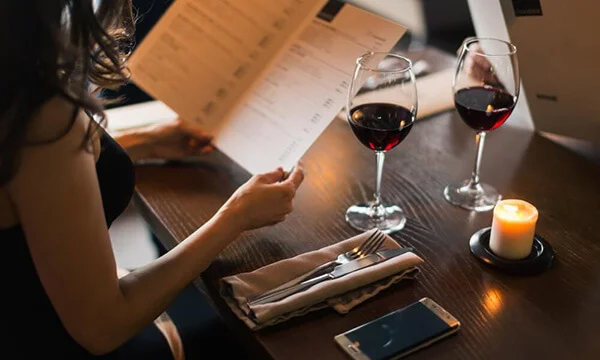
In today’s fast changing New Zealand hospitality landscape, the principle of “less is more” has never been more relevant. Rising food costs, staffing challenges, and changing consumer expectations mean restaurants need menus that are streamlined, profitable, and easy to execute consistently.
A simplified menu isn’t about offering less — it’s about offering better. By refining your menu, you reduce operational complexity, boost efficiency, and deliver a dining experience that meets the expectations of modern Kiwi diners.
Why Simplifying Your Menu Matters Today
1. Better Operational Efficiency
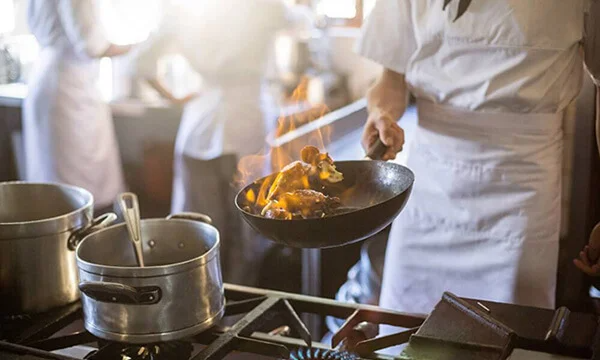
Many performance bottlenecks in NZ kitchens — long ticket times, inconsistent dishes, and ingredient wastage — stem from oversized menus.
A focused menu helps you:
- Reduce prep time and improve service speed
- Cut down back-of-house stress
- Maintain quality when staffing is tight (a major pressure across the NZ industry since 2023)
With NZ’s ongoing labour shortages in hospitality, efficient systems are increasingly essential.
2. Lower Costs & Reduced Waste
A streamlined menu improves inventory control, allowing chefs to:
- Get maximum value from every ingredient
- Reduce spoilage
- Run tighter, more predictable food costs — crucial during ongoing inflation across NZ foodservice
This also supports sustainability expectations from Kiwi diners, who increasingly value local sourcing and reduced waste.
3. Alignment With Current Consumer Trends
Today’s NZ diners prefer:
- Simpler menus that highlight quality, seasonality, and provenance
- Customization, especially for dietary needs (gluten-free, dairy-light, plant-forward)
- Transparency — what’s in their food and where it comes from
- Comfort meets creativity, with elevated versions of familiar favourites
Since the pandemic, smaller menus have become the norm rather than the exception — first out of necessity, now strategically.
New Zealand examples:
- Wellington’s neo bistros focus on short, rotating seasonal menus.
- Auckland’s contemporary Asian eateries simplify offerings but allow flavour-based customisation.
- Regional restaurants (Hawke’s Bay, Queenstown, Nelson) lean into hyper local ingredients and concise menus that change weekly.
How to Simplify Your Menu Successfully
1. Identify Ingredient Overlap
Look for dishes that share ingredients and eliminate outliers.
Dishes with unique ingredients but low sales are costing you money.
Popular NZ strategy: convert several dishes into variations of a core hero item (e.g., build multiple seasonal bowls around one base grain or protein).
2. Rework Complex Recipes
If a bestselling dish is labour intensive, reengineer it so:
- Prep steps are reduced
- Execution is consistent
- Key flavours stay intact
This is especially valuable during peak service when staffing is light.
3. Strengthen Your Small Plates & Snacks
Kiwis increasingly enjoy:
- Shareable plates
- Premium snacks
- Flexible grazing-style dining
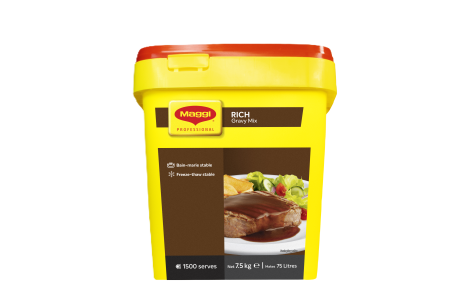
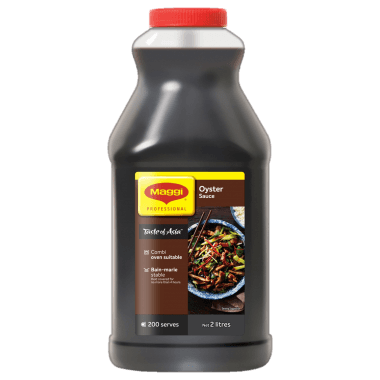
Make these simple, consistent, and high quality. Enhance them with reliable, flavourful pantry shortcuts such as Asian sauces, condiments, and ready-to-use flavour bases to maintain consistency without adding labour.
4. Reinvent Simple Staples
Soups, salads, buns, bowls, and sides remain best sellers across NZ venues.
Boost them with:
- Seasonal vegetables
- NZ proteins
- Fusion flavours reflecting NZ’s diverse population (e.g., Japanese–Italian, Middle Eastern–Pacific)
Small tweaks often create big menu appeal without adding complexity.
5. Use Seasonal Specials to Add Variety
A simplified core menu can stay exciting by using:
- Weekly or monthly specials
- Hyper-seasonal produce (e.g., Bluff oyster season, Central Otago stone fruit, Kiwi lamb)
- Limited time themed items
This keeps your brand fresh while keeping your base menu tight.
6. Improve Cost Efficiency with Portion Control
If guests frequently leave food behind, reduce portion size.
NZ customers are increasingly comfortable with:
- Smaller plates
- Better quality
- Higher flavour concentration
This supports both cost control and sustainability.
7. Use High Quality Time-Saving Products
Cutting-edge bases, sauces, dessert mixes, and pre-prepped items can:
- Reduce labour
- Improve consistency
- Support dietary needs (vegan, gluten-free, halal)
Modern NZ kitchens use these strategically, not to replace chefs, but to free them up to focus on creativity and execution.
8. Design for Dine-In & Delivery
The NZ delivery market is stabilising but still strong, especially in urban centres.
Adapt recipes to:
- Travel well
- Reheat easily
- Maintain texture
This ensures your simplified menu works across channels.
9. Protect Your Brand Identity
Simplifying should never dilute your character.
Keep:
- Signature dishes
- Your key flavour identity
- Popular customer favourites
Refine — don’t erase — what makes your restaurant uniquely yours.
10. Involve Your Whole Team
The best menus work because FOH and BOH collaborate.
Ask them:
- Which dishes stress the kitchen
- Which items cause repeated customer confusion
- What slows down service
- What frequently gets modified
Their insights make simplification more successful and sustainable.
New Zealand Contemporary Simplified Menu Pack Chef’s Analysis: Contemporary Simplification Insights
**1. Tight Menu Structures Reduce Complexity** — Each of the five Auckland venues runs a menu with strong dish overlap, meaning fewer prep lists, tighter mise en place, and greater consistency. This directly reduces back-of-house stress and supports faster service.
**2. Seasonal Focus Enhances Flavour & Lowers Waste** — All five restaurants rely on produce-driven seasonal updates. This allows dynamic adaptation while maintaining a stable core menu, reducing ingredient waste and purchasing costs.
**3. Shared Techniques Build Kitchen Efficiency** — Charcoal grilling (Hugo’s, Depot), confit, and raw preparations (Onslow, Depot) appear repeatedly. This helps chefs schedule equipment use more efficiently and maintain consistent results.
**4. Signature Items Create Identity Without Bloating the Menu** — Apéro’s sausage, Onslow’s crayfish éclair, Ember’s steak Diane, and Depot’s sliders demonstrate how a single hero item supports brand identity without expanding the menu footprint.
**5. Small Plates Encourage High Turnover** — Several venues lean into share plates, balancing cost, speed, and customer flexibility. This also allows kitchens to push high-margin snacks without overextending.
**6. Cost Control Through Cross-Utilisation** — Ingredients like seasonal greens, citrus, and premium proteins appear across multiple dishes at each venue. This is a textbook approach to margin protection in a high-cost environment like Auckland.
Onslow
Source: Menus | Onslow in Auckland, NZ
- Fried Bread – whipped goats cheese, truffle honey
- Crayfish éclair – organic egg, spiced bisque
- Yellowfin tuna carpaccio – burnt butter, chilli oil
- Big Glory Bay salmon – herbs, canelé, pickled cucumber
- Pan-seared market fish – smoked mussels, pickled carrot
- 12-hour Lumina lamb shoulder – pea purée, asparagus
Depot Eatery
Source: depot-online-menu.pdf
- Oysters – Marlborough/Te Kouma
- Kingfish sashimi – soy syrup, wasabi peas
- Cloudy Bay tuatua – chorizo butter
- Snapper sliders – pickled lemon mayo
- Falafel – tomato kasundi, feta labneh
- Skirt steak – tobacco onions, habanero mustard
Hugo’s Bistro
Source: Hugo's Bistro
- Granola – almonds, yoghurt, fruit
- Free-range eggs on sourdough
- Asparagus, tomato & buffalo curd on toast
- Bacon sandwich – HP sauce
- Chilli scrambled eggs – Ortiz anchovies
Apéro Food & Wine
Source: Food — Apéro Food & Wine
- Bag of bread & butter
- Warm marinated olives
- Goats cheese croquettes – kamahi honey
- Apéro charcuterie platter
- Pork sausage – pickles & mustard
Ember
Source: Ember's Menu | Auckland CBD | Ember Restaurant
- Kumara focaccia – rosemary
- Chicken liver parfait – grapefruit marmalade
- Courgette fritti – sauce verte
- Spinach & ricotta dumplings – smoked tomato
- Lamb chops – ratatouille, salsa verde
- Steak Diane – mushrooms, Cognac
Note: Menus change frequently; refer to the source links for the most current version.

Rice Paper Rolls with Chilli Jam
