

10 New Zealand Foodservice Trends to Watch in 2026
Explore foodservice industry trends for 2026. Discover the latest food and beverage trends in New Zealand. Futureproof your menu with Nestlé Professional!





As we head through 2026, New Zealand’s foodservice sector is adapting to tighter household budgets, hybrid work, and fast‑shifting guest expectations. With fewer nights out on the calendar, it’s essential for businesses to deliver clear value, genuine comfort, and a memorable experience.
The good news? The industry remains resilient and is still on a growth path. Growth is projected to continue through the next 5 years, driven by ready-to-eat meals and value as top of mind.1,2
Whether you run a local café, a busy pub, a hotel food and beverage operation, or an aged‑care kitchen, explore the latest trends in New Zealand for 2026 and learn how we can help you create smart menu choices that enhance your business.
1. Value-driven dining, defined by occasions
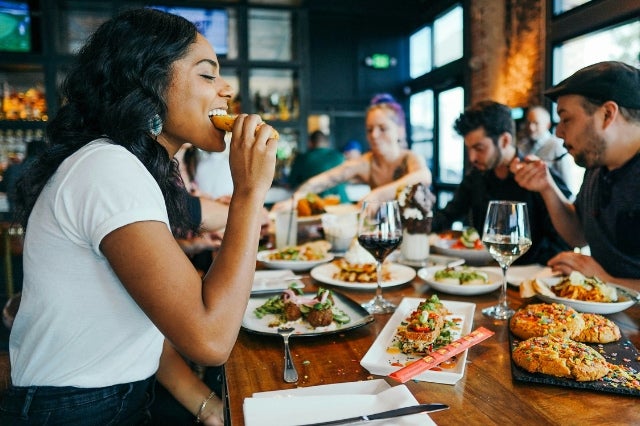
Value-driven dining isn’t just about cutting prices anymore, especially as the cost of living continues to rise. Kiwis are scrutinising spend but still want a treat when they go out. With dining out prices up 2.4% in 2025,3 customers are looking for ‘value matters’ deals that make going out feel worthwhile and affordable.
How to jump on the trend:
- Frame value around moments (early evening, mid‑week, family nights) instead of blanket discounting.
- Use menu copy to signal ‘treat, pause, share’ and bundle items into occasion sets (e.g. weekday supper club, Sunday roast for two).
- Keep a core menu for operational stability, plus limited time offers for excitement and upsell.
2. Sensory pay‑off: texture, bold flavours and visual impact
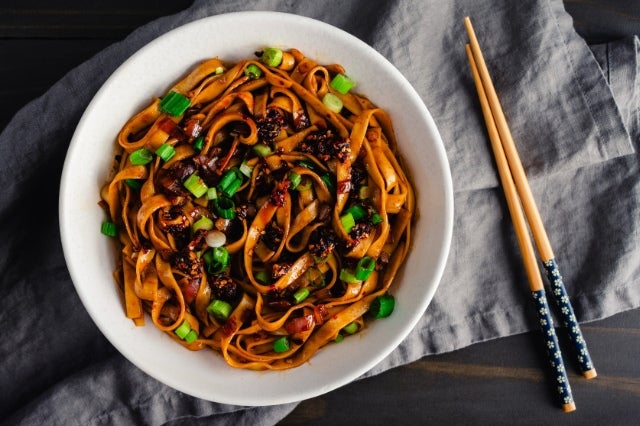
Sensory overload is all about delivering maximum satisfaction through texture, aroma and visual contrast, rather than relying on portion size alone. Global trends show rising interest in experience‑rich dining – familiar dishes made bolder with flavour and contrast. It’s a win for health‑conscious diners, including those using GLP‑1 medications, who are willing to eat less if the meal still feels rewarding.4 Asian street‑food flavours are also shaping brunch menus, while coffee is evolving with creative, texture‑driven twists for younger tastes.5
How to jump on the trend:
- Design for contrast (crunchy + creamy, hot + cold). Add puffed grains, seeds, crackling toppings – our MAGGI Instant Mashed Potatoes Gluten Free Mix serves as a versatile base for creating crispy sides such as croquettes.
- Elevate familiar dishes (e.g. congee bowls, chilli‑forward eggs, reimagined fry bread) with bolder flavours using our MAGGI Professional sauces, seasonings and boosters for an easy fusion twist.
- Build multi‑texture desserts, e.g. combining a soft base with crisp inclusions using NESTLÉ DOCELLO Mousse Mixes or NESTLÉ DOCELLO Dessert Mixes as a versatile foundation.
3. Hybrid work reshapes daytime coffee and snack consumption

Office occupancy rates across New Zealand CBDs such as Auckland are on the rise, showing that Kiwis are embracing hybrid work patterns with more intentional office days.6 While people may not be visiting cafés as often, when they do, they tend to spend more – Hospitality Business reports a 3.59% increase in transaction values compared to 2024.7
This trend opens the door for cafés to offer elevated coffee experiences, thoughtful brunch bundles, and midweek pick‑me‑ups that align with the way Kiwis now work.
It’s also a reminder for offices to equip their teams with great coffee – whether through user-friendly machines or instant options that deliver a quick, satisfying brew.
How to jump on the trend
- Target Tuesday to Thursday with grab-and-go breakfast bundles and 3pm snack sets. Discover our range of BUONDI Steady State Roasted Coffee Beans – for that morning or mid-day pick-me-up - proudly roasted and blended in Australia.
- Streamline service for speed and ‘desk ready’ portability e.g. lunch-to-desk and pre-order pickup.
- Upgrade your workplace coffee setup with automatic bean‑to‑cup machines like our NESCAFÉ Fusion range, delivering barista‑style coffee at the touch of a button. Or keep things classic with the bold, smooth taste of NESCAFÉ Classic.
4. Flexibility is the new flex: customisable bowls, brews and bites
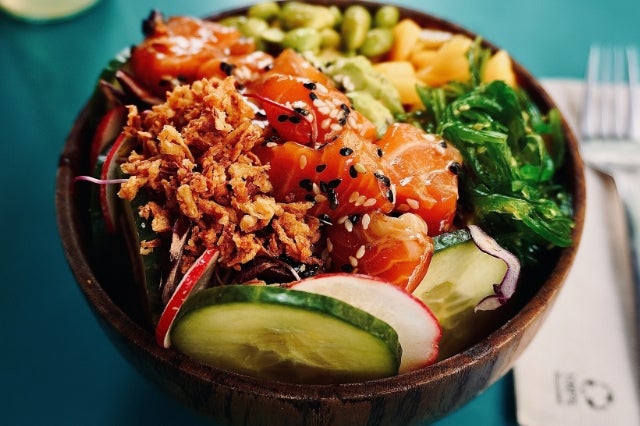
Flexibility is no longer a nice extra – it’s the standard diners expect. Customers increasingly want choice over ingredients, formats and dietary choices, especially when it comes to coffee and bowls. Gen Z continues to lead the push for personalised coffee, favouring alternative milks and iced options,8 and this appetite for customisation is set to spill further into food in 2026.
‘Build‑your‑own’ formats are thriving because they offer customers the variety they want while keeping back‑of‑house operations efficient. They also make it easier for venues to tweak menus without creating extra workload.
How to jump on the trend:
- Offer curated customisable options instead of unlimited swaps – make add‑ons transparent on menus and at point of sale.
- Design a flexible ‘framework menu’ built on a base, protein, veg and sauces like our MAGGI Gravy range.
- Save time and streamline service with automated coffee machines that deliver high‑quality, customised drinks with maximum convenience and minimal labour – explore our NESCAFÉ bean‑to‑cup solutions.
5. Protein, fibre and gut health meets the GLP-1 era
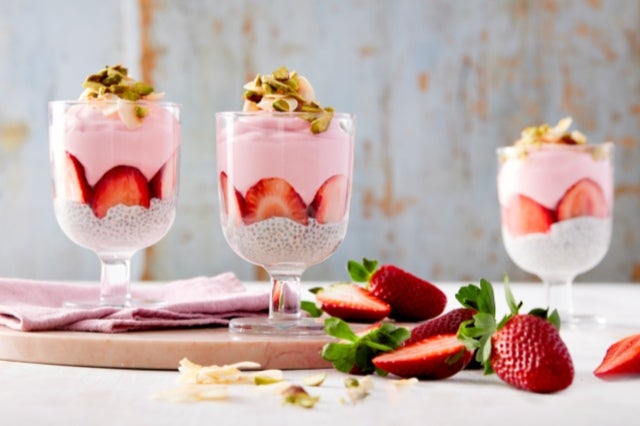
Global forecasts highlight protein and fibre as the leading nutrition priorities for 2026 and beyond9,10 with both nutrients delivering the satiety and wellness benefits consumers increasingly seek. New Nutrition Business ranks Animal Protein and Digestive Wellness as the top two health trends for 2026.11
Protein continues to gain momentum for its essential role in maintaining muscle mass, while fibre remains central to supporting gut health. The newly released US Dietary Guidelines further reinforce the importance of prioritising protein intake, particularly from animal sources.12
At the same time, the rapid global uptake of GLP-1 medications for weight management is reshaping consumer choices. Research shows that people using GLP-1 medications are more likely to reduce discretionary foods and actively select nutrient-dense options higher in protein and fibre, such as yoghurt, fish, fruits, vegetables and wholegrain choices.13
How to jump on the trend:
- Boost fibre by adding seeds, pulses and wholegrains to soups, bases and baked items for an easy nutritional lift.
- Showcase the high‑protein, high‑fibre dishes you already offer such as grain‑based salads topped with fish, chicken, tofu or prawns, or hearty, vegetable‑forward soups enriched with legumes. Save prep time by using our MAGGI Soup Mixes as a convenient, reliable base for your next soup creation.
- Introduce fibre and protein‑forward breakfast options to meet rising demand for satisfying, nutrient-dense starts to the day. Use our NESTLÉ DOCELLO Protein Enriched Dessert Mixes as a versatile base for chia puddings or overnight oats with yoghurt, or take a savoury lens with spinach and cheese frittatas.
6. Smart convenience: automation, better prep, and data‑led ops
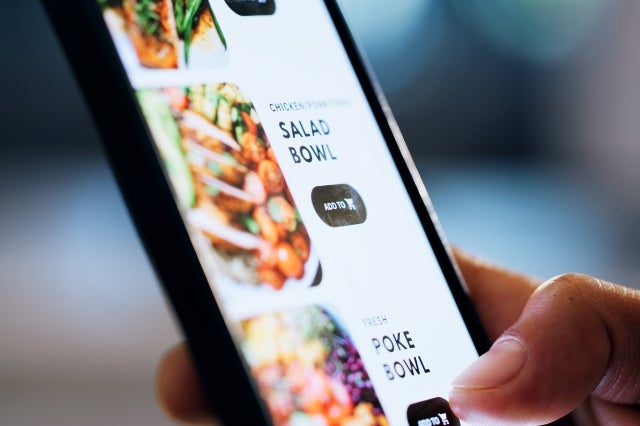
Labour shortages continue to be one of the biggest challenges for New Zealand’s hospitality sector,14 pushing operators to reassess where their teams’ time and skills can add the most value. Many businesses are turning to practical solutions such as AI and automation to streamline back‑of‑house operations – whether it’s through AI‑driven rostering tools or more accurate demand forecasting.
On the front‑of‑house side, technology within POS systems has quickly become the norm. QR code menus and tablet ordering, once considered new additions, are now well‑established and continuing to evolve with AI‑powered features that offer diners tailored assistance and personalised recommendations.15
How to jump on the trend:
- Start by picking one business area which would be feasible to automate or introduce AI assistance (e.g., demand‑based rostering, digital prep lists, online waitlists).
- Save time in the kitchen by using high‑quality culinary solutions such as our finished BUITONI Professional tomato sauce range and NESTLÉ DOCELLO Dessert Mixes, which deliver scratch‑made quality without the extra labour.
- Tap into data from smart equipment like our automatic NESCAFÉ Fusion Machines to monitor drink volumes, peak service periods and flavour preferences of your team. These insights can help inform smarter rostering decisions and guide more effective menu planning.
7. No‑ and low‑alcohol (NoLo) is mainstream on‑premise

Moderation in the form of no- and low-alcohol options is here to stay. APAC on‑premise data shows 38% of NZ consumers are drinking less than a year ago with NoLo playing a pivotal role in mindful occasions.16 NZ policy is also catching up – in 2025, an amendment was proposed by the NZ Government to reduce outdated mandatory requirements for mid-strength products and instead allow for the sale of no- and low-alcohol options to better align with shifting consumer preferences.1718
This signals a broader shift toward mindful socialising – where flavour, variety and overall well‑being take centre stage, rather than alcohol content alone.
How to jump on the trend:
- Create a dedicated NoLo section on your menu so these drinks stand out as a core offering rather than an afterthought.
- Showcase signature non‑alcoholic serves – take inspiration from inventive iced beverages or coffee-led creations using our BUONDI Steady State Roasted Coffee Beans to elevate and refresh your drinks lineup.
- Equip staff to confidently recommend NoLo options, giving them the same prominence and enthusiasm as traditional alcoholic choices.
8. Aged‑care transformation in NZ: raising the bar in choice, nutrition and dining

With Australia’s recent update to their Aged Care Quality Standards, New Zealand is following suit, with the Ministry of Health currently calling for any feedback on the Ngā Paerewa Health and Disability Services Standard 2021 (Ngā Paerewa).19
The current Ngā Paerewa (NZS 8134:2021)20 focuses on several key areas foodservice operators should be aware of:
- Nutrition and menus must meet individual needs and be culturally appropriate - including Māori‑specific menu options and support for traditional food practices
- Food safety systems must comply with legislation and ensure a safe dining environment
- Robust hygiene, cleaning, and waste‑handling practices are mandatory
How to jump on the trend:
- Map menus directly to Ngā Paerewa outcomes and document resident input.
- Incorporate protein, calcium and fibre rich meals across the day – create delicious, fortified desserts with ease using enriched milk to prepare our NESTLÉ DOCELLO Mousse and Dessert Mix range.
- Educate staff on allergens, malnutrition risk and dining experience – check out our handy allergen management tips.
- Get ahead with menu planning to ensure compliance requirements are met – access our free handy nutrition resources here.
9. Sustainability in focus: single-use plastics phase‑outs and circularity in practice

With New Zealand rolling out phased bans on various hard to recycle and single-use plastics, restaurants and cafes need to rethink how they package the food they sell, choose suppliers, and handle waste.21
These updates are making a real difference in what businesses buy and how they run things, pushing everyone to find smarter, stronger ways to operate.
How to jump on the trend
- Check your local guidelines22on packaging formats and offer your customers only approved and compliant formats. packaging formats and offer your customers only approved and compliant formats.
- Provide dedicated recycling or compost bins for customers to dispose of their waste correctly.
- Think beyond single-use plastics to broader areas where you could be acting more sustainably, e.g. minimising food waste and sourcing local ingredients.
10. Off‑premise 2.0: faster, flexible, and still about value
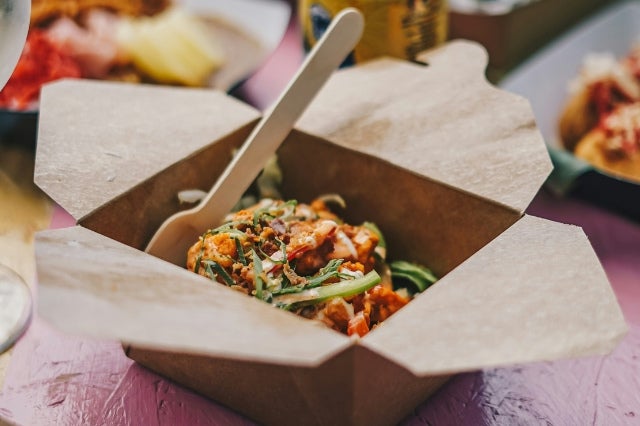
Delivery and takeaway aren’t just an occasional option anymore; Kiwis have now embedded them into their weekly routines. In 2025, the Restaurant Association of New Zealand reported that the takeaway food sector recorded the strongest performance of the year with 3.2% growth.23 Food delivery apps are seeing strong usage across all meal occasions, while revenue from convenience foods continues to climb.
To stay competitive, restaurants need menus designed to perform just as well off‑premise as they do in‑house. That means delivering great taste, strong value, and consistent quality, no matter where the meal is enjoyed.
How to jump on the trend:
- Build delivery‑friendly mini menus featuring dishes that travel and reheat well – ideal for food trucks and mobile foodservice operators.
- Offer value bundles instead of discounts to protect margins while still appealing to cost‑conscious customers.
- Keep quality high and prep time low with reliable food solutions like our MAGGI Professional range or BUITONI Professional tomato sauces
Where to next for New Zealand foodservice in 2026?
Across emerging trends, three clear themes are shaping the future. Kiwis are seeking smaller, more purposeful eating occasions – so every bite needs to deliver on flavour, texture, and nutrition. At the same time, operators are under pressure to do more with less, relying on smart convenience, automation, and clever reformulation to stay on top of labour and cost challenges.
Staying close to these shifts will help you stay ahead of the curve – and turn fresh ideas into practical, profitable solutions for your business.
References
- Mordor Intelligence (2026), New Zealand Foodservice Market Size & Share Analysis - Growth Trends and Forecast (2026 - 2031)
- Mintel (2025), 2026 Global Food & Drink Predictions Report
- Stats NZ (2025), Selected price indexes: August 2025
- Mintel (2025), 2026 Global Food & Drink Predictions Report, p.30-42
- Tastewise (2025), 2026 Food & Beverage Trend Forecast, p.38
- JLL (2025), Auckland Office Market Dynamics Q4 2025
- Hospitality Business (2025), Auckland Cafés & Bars See Uptick in Average Spend
- Review Publishing Ltd (2025), The Beverage Report 2025
- Datassential (2025), 2026 Trends Report, p.82
- Mintel (2025), 2026 Global Food & Drink Predictions Report, p.15
- Julian Mellentin. 10 Key Trends in Food, Nutrition and Health 2026. Nov/Dec 2025, Vol. 31(2/3). New Nutrition Business.
- Mintel (2026). Will GLP-1 drugs reshape appetites? Plan, but don't panic. Industry Trend January 6, 2026
- Ministry of Business, Innovation and Employment (MBIE) (2025), Tourism and hospitality workforce report
- Restaurant Association of New Zealand (2025), The Digital Transformation of Kiwi Dining: Cybersecurity
- Harkness Henry (2025), 2025 Alcohol Amendment Bill: Key Legal Changes for Licence Holders
- Ministry of Health (2025), Ngā Paerewa Health and Disability Services Standard consultation 2026
- Standards New Zealand (2025), Ngā paerewa Health and disability services standard
- Ministry for the Environment (2024), Phasing out hard-to-recycle and single-use plastics
- National Retail Association, Action on Single-Use Plastics
- Restaurant Association of New Zealand (2025), 2025 Restaurant Association Hospitality Report: Key Statistics & Highlights